12 articles
Fuel Additives & Chemistry
From PEA concentration comparisons across Sea Foam, BG 44K, and Chevron Techron to OEM-approved picks for BMW, Audi, VW, and Mercedes — we read what owners and reviewers consistently report so you can pour with confidence. We name the budget winners, the worth-the-splurge bottles, and the ones that don't earn their shelf space.
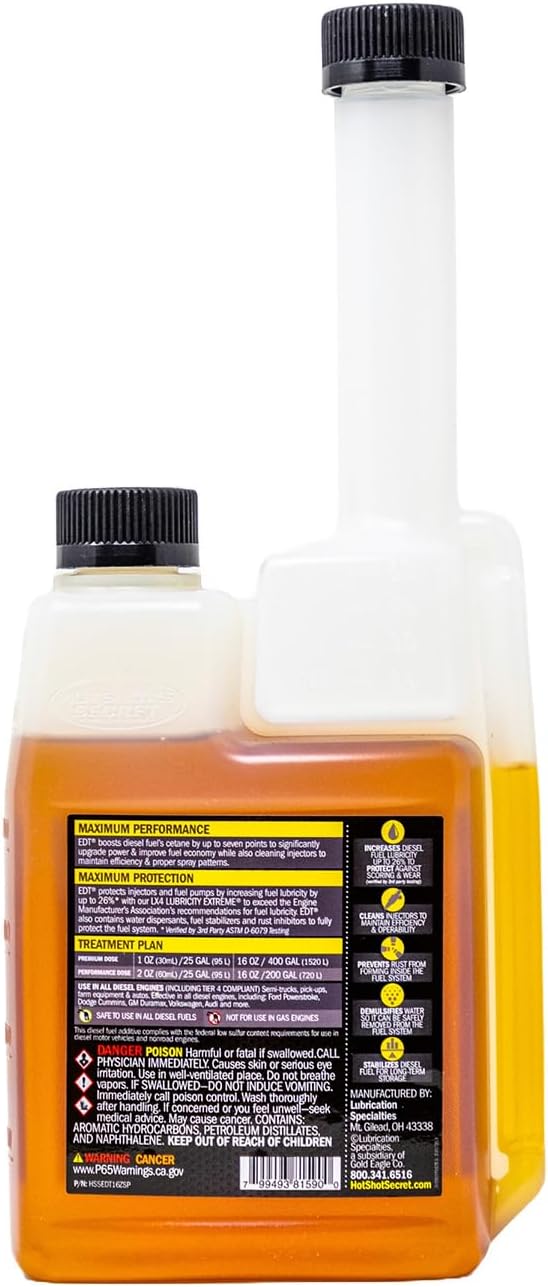
Diesel Fuel Additives Ranked: Cetane, Lubricity, DPF Safety, and Cost Per Tank
Not all diesel additives do the same job. This guide breaks down what cetane, lubricity, and DPF compatibility actually mean — and which products are worth the money at every price point.
Read the guide →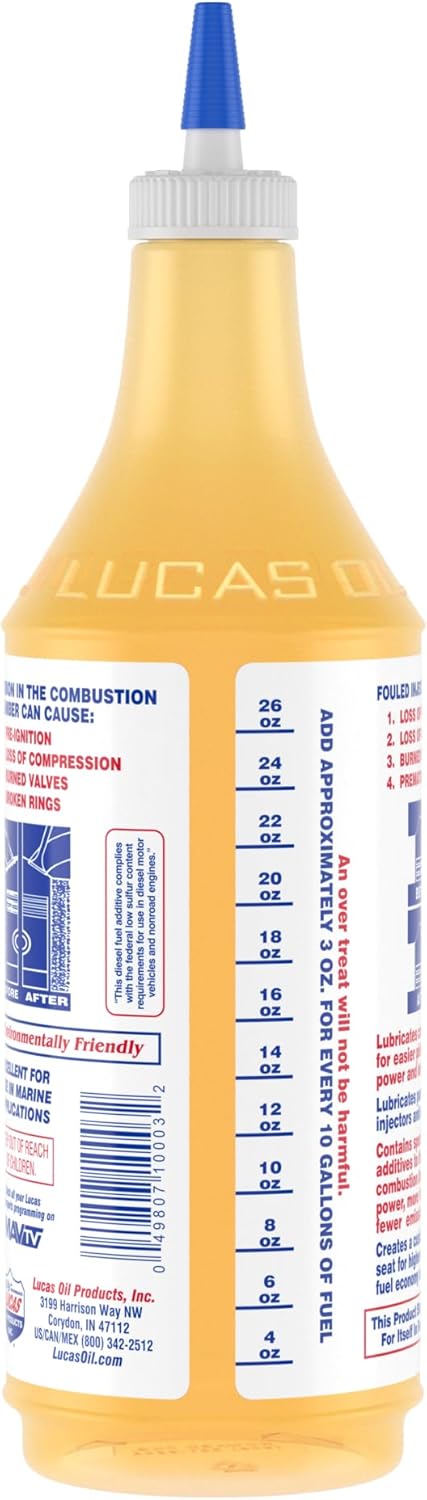
Lucas Oil Fuel Treatments: Which of the Four Formulas Fits Your Engine and Budget
Lucas makes four distinct fuel treatments, and buying the wrong one is easier than it sounds. Here's how to match the right formula to your engine, mileage
Read the guide →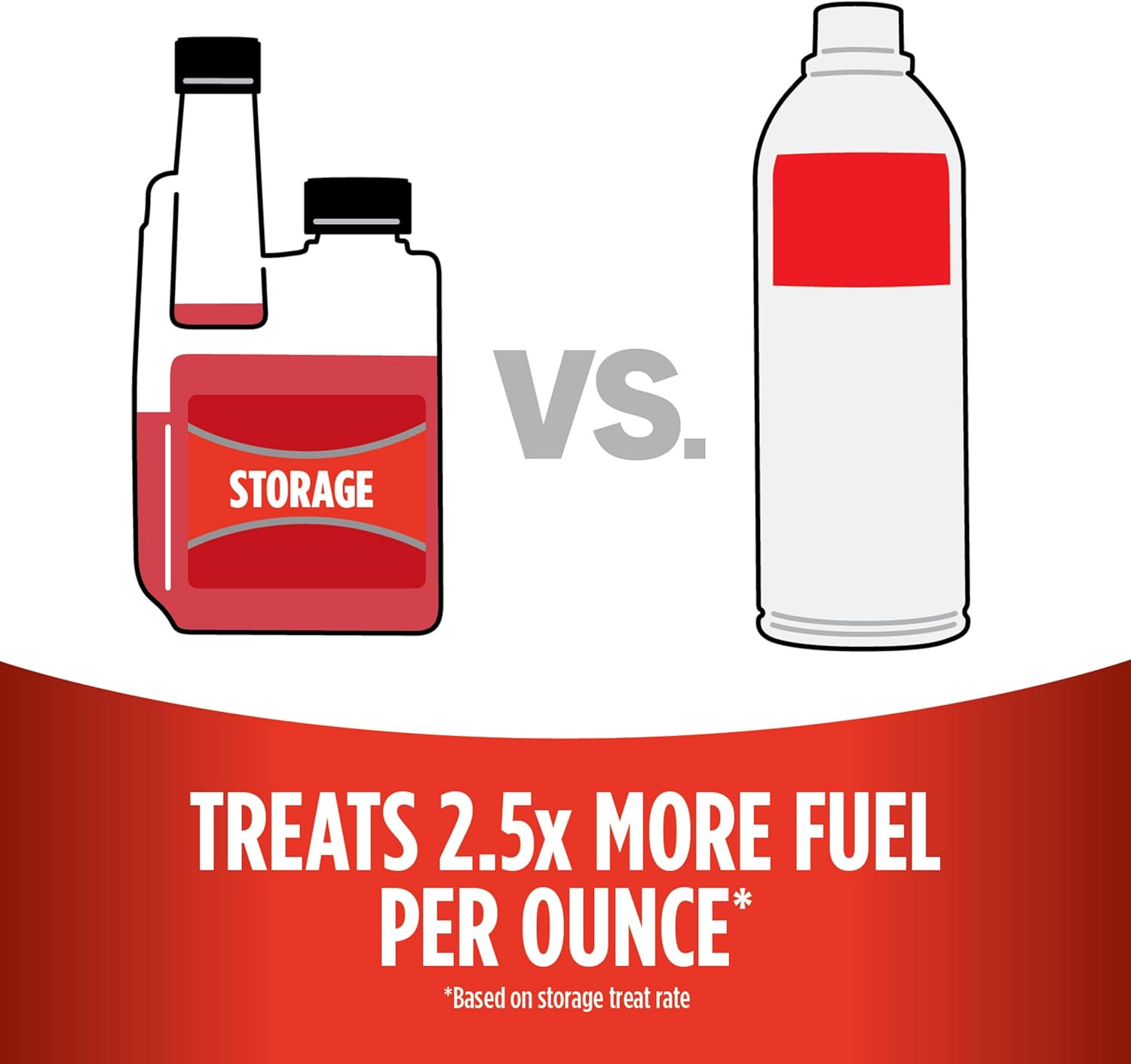
Enzyme vs. Chemical Fuel Stabilizers: Which Formula Actually Saves Small Engines
Star Tron's enzyme chemistry and STA-BIL's chemical stabilizers both promise to rescue fuel-starved small engines — but they work in fundamentally different
Read the guide → Diesel Fuel Additives for Daily Drivers: Hot Shot's Secret, Archoil, Stanadyne, and Opti-Lube Compared
Four of the most trusted diesel fuel additives go head-to-head on lubricity, cetane, DPF compatibility, and cost per fill — so you can pick the right one for
Read the guide →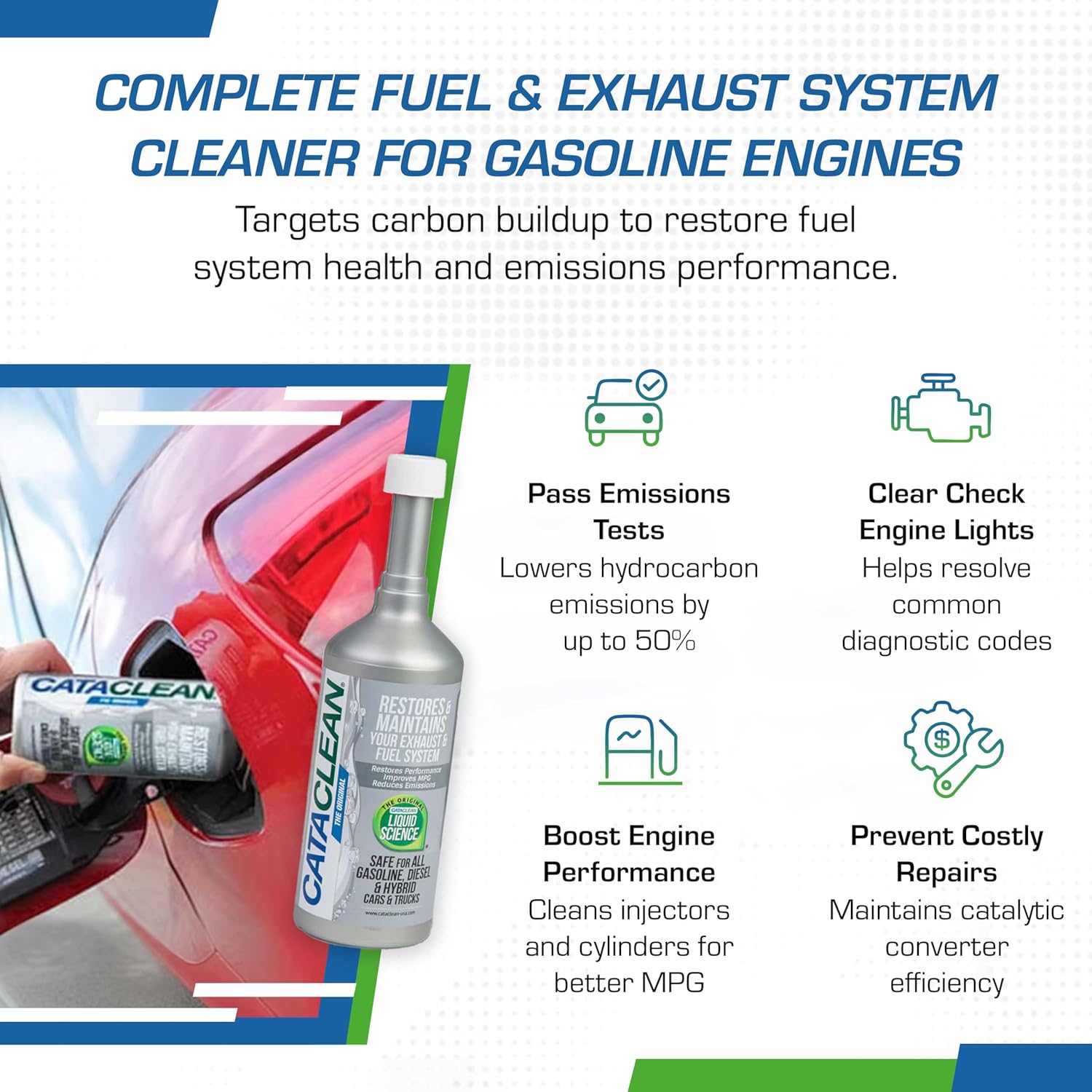
Catalytic Converter Cleaners: Separating the Chemistry That Works From the Check-Engine-Light Hype
Fuel-system additives marketed as catalytic converter cleaners promise a lot. Here's what the chemistry actually does, what it can't do, and how to spend your money on the right fix the first time.
Read the guide →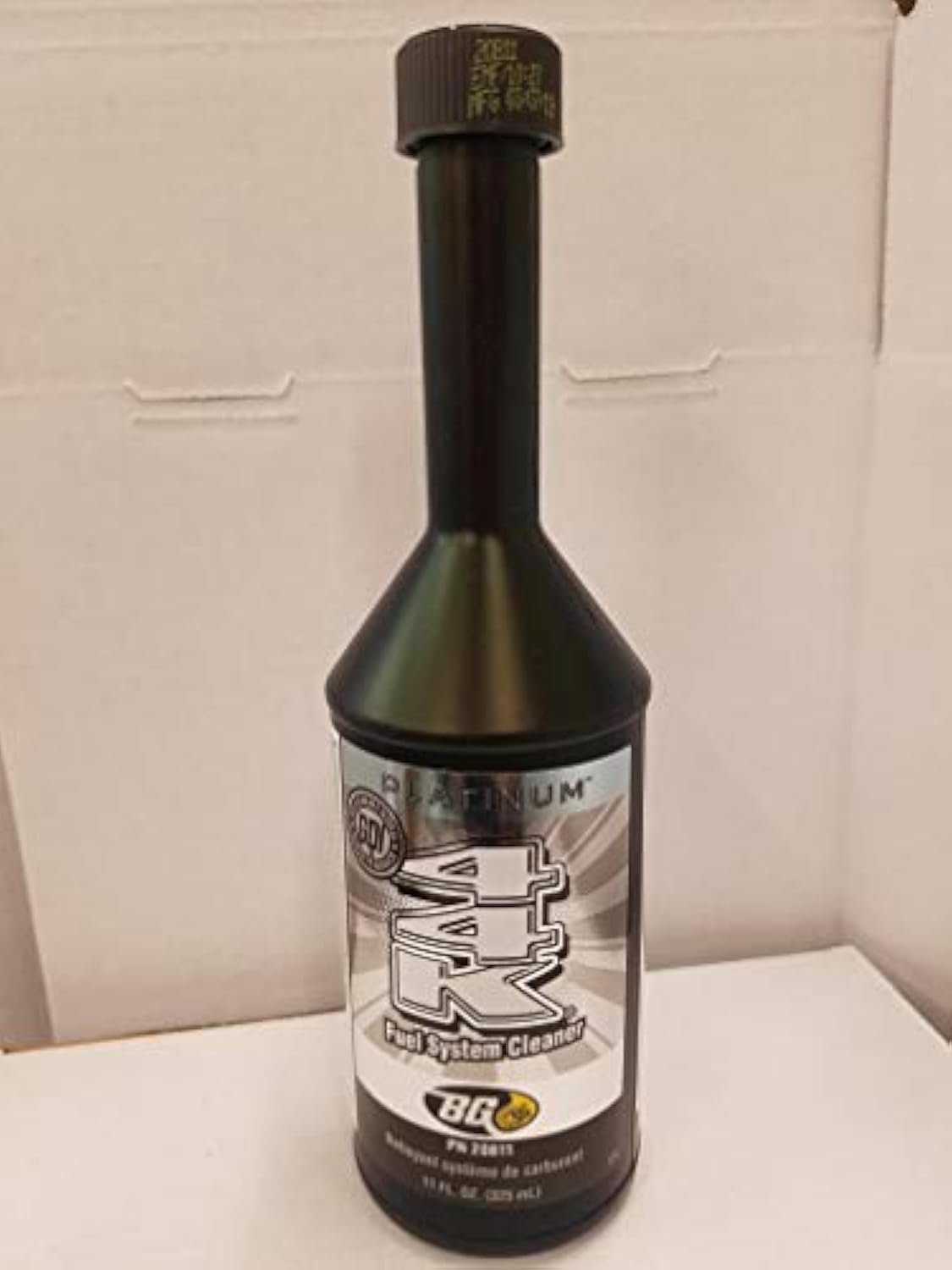
BG 44K Authenticity Guide: How to Source the Real Formula and Spot Fakes
BG 44K is one of the most respected fuel system cleaners on the market — and one of the most counterfeited. Here's how to make sure you're buying the real thing.
Read the guide → P0420 Without the $2,000 Repair Bill: What Cat Cleaners Can and Cannot Do
That check-engine light reading P0420 doesn't automatically mean a new catalytic converter. Here's an honest look at what fuel-system cat cleaners can fix
Read the guide →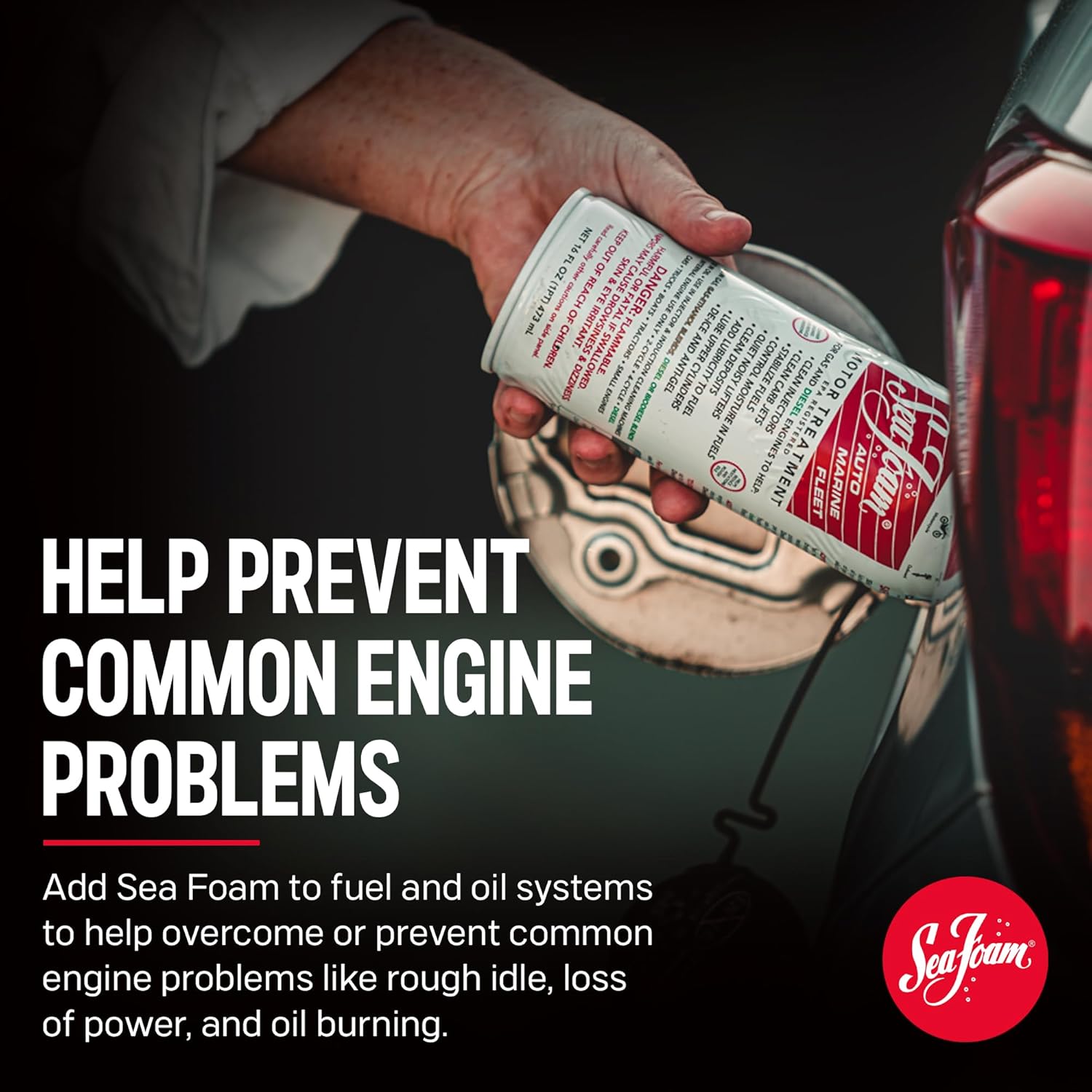
Sea Foam vs. Techron vs. Lucas: The Three Bottles Everyone Asks About, Honestly Compared
Sea Foam, Chevron Techron, and Lucas Fuel Treatment are the three fuel additives most mechanics and enthusiasts argue about. Here's the honest chemistry breakdown, cost math, and a clear decision rule for each use case.
Read the guide →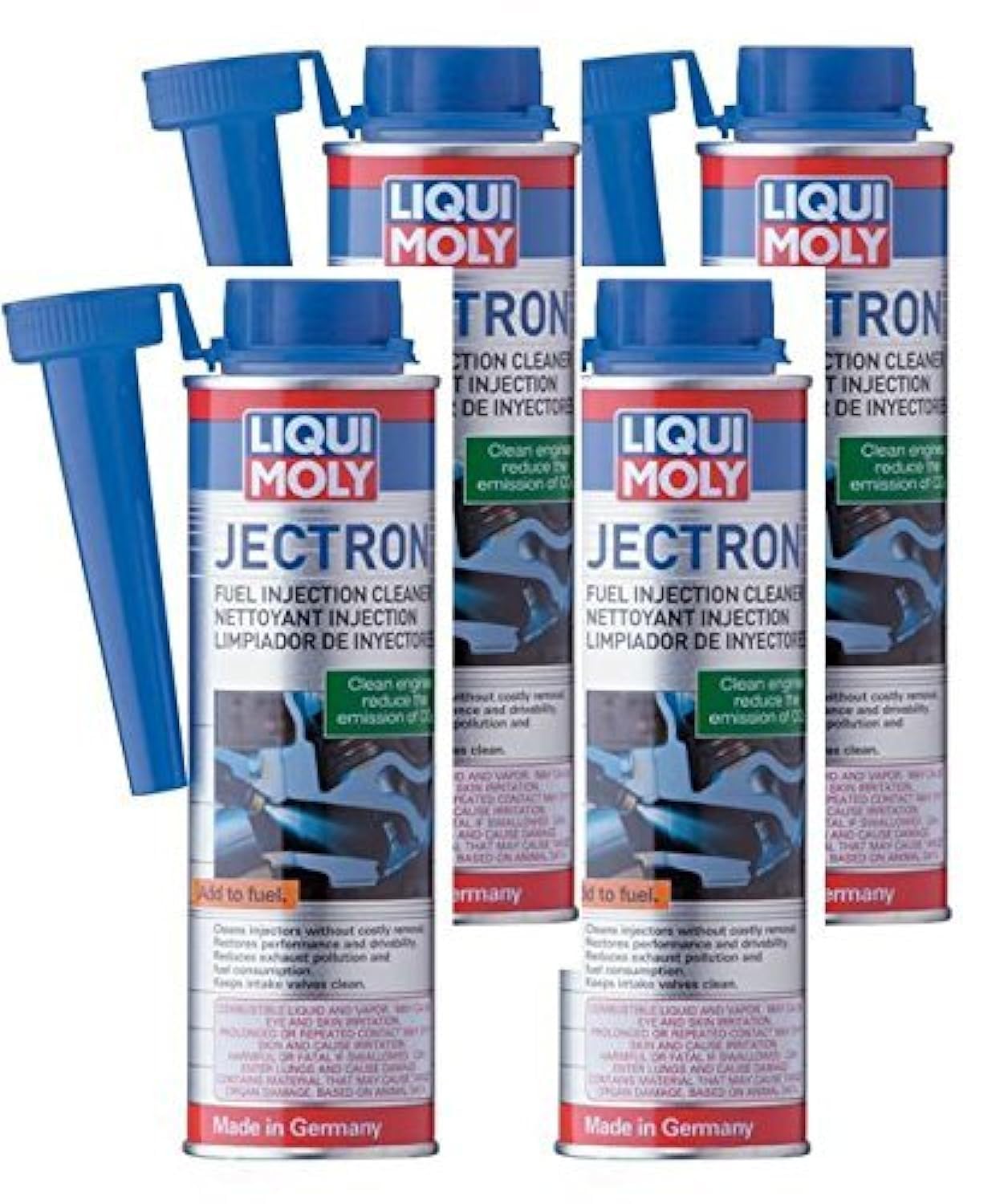
OEM-Approved Fuel Additives for BMW, Audi, VW, and Mercedes: The Spec-Number Checklist
Not every fuel additive is safe for your European engine. Here's how to match the right chemistry to BMW, Audi, VW, and Mercedes approval specs — without guessing.
Read the guide →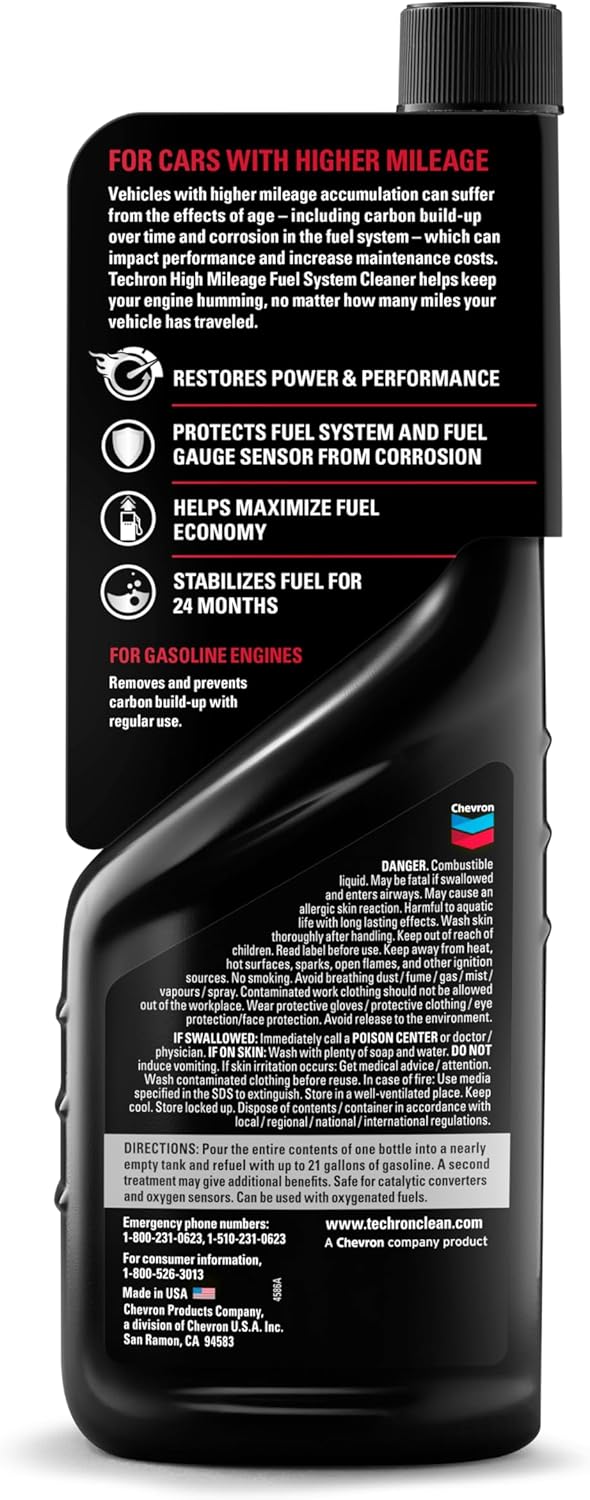
High-Mileage Fuel System Cleaners: Matching the Right Chemistry to Your Odometer
Not every fuel system cleaner is built for a 120,000-mile engine. This guide breaks down which chemistry does the real work at each mileage tier — and how to choose without overspending.
Read the guide → Fuel Stabilizers for Seasonal Storage: Ethanol Chemistry, Shelf Life Math, and the Right Bottle
Storing a motorcycle, boat, lawn tractor, or second car for winter? Here's the honest chemistry behind fuel stabilizers, how long different formulations actually buy you, and which bottle fits your engine and timeline.
Read the guide →
PEA Concentration Showdown: Which Bottle Actually Earns Its Price Per Treatment
Not every fuel injector cleaner works the same — the real differentiator is a single chemical called PEA. Here's how to read past the marketing and spend your money on what actually cleans.
Read the guide →